
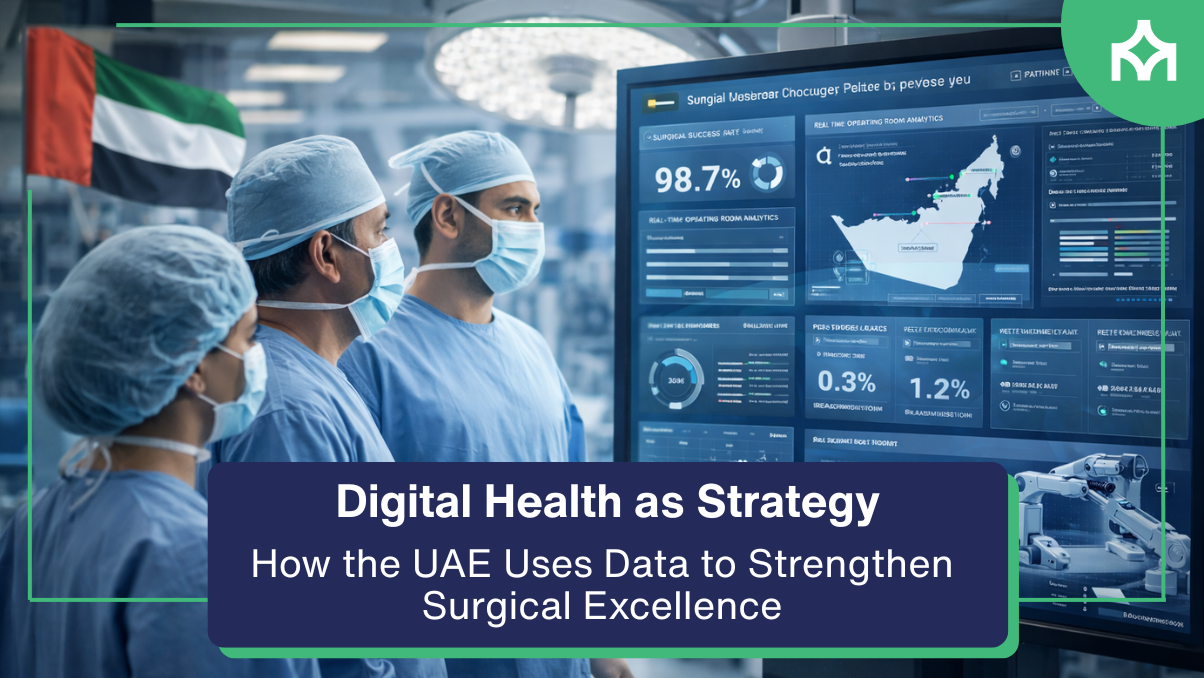
Digital Health as Strategy: How the UAE Uses Data to Strengthen Surgical Excellence
Digital Health as Strategy: How the UAE Uses Data to Strengthen Surgical Excellence
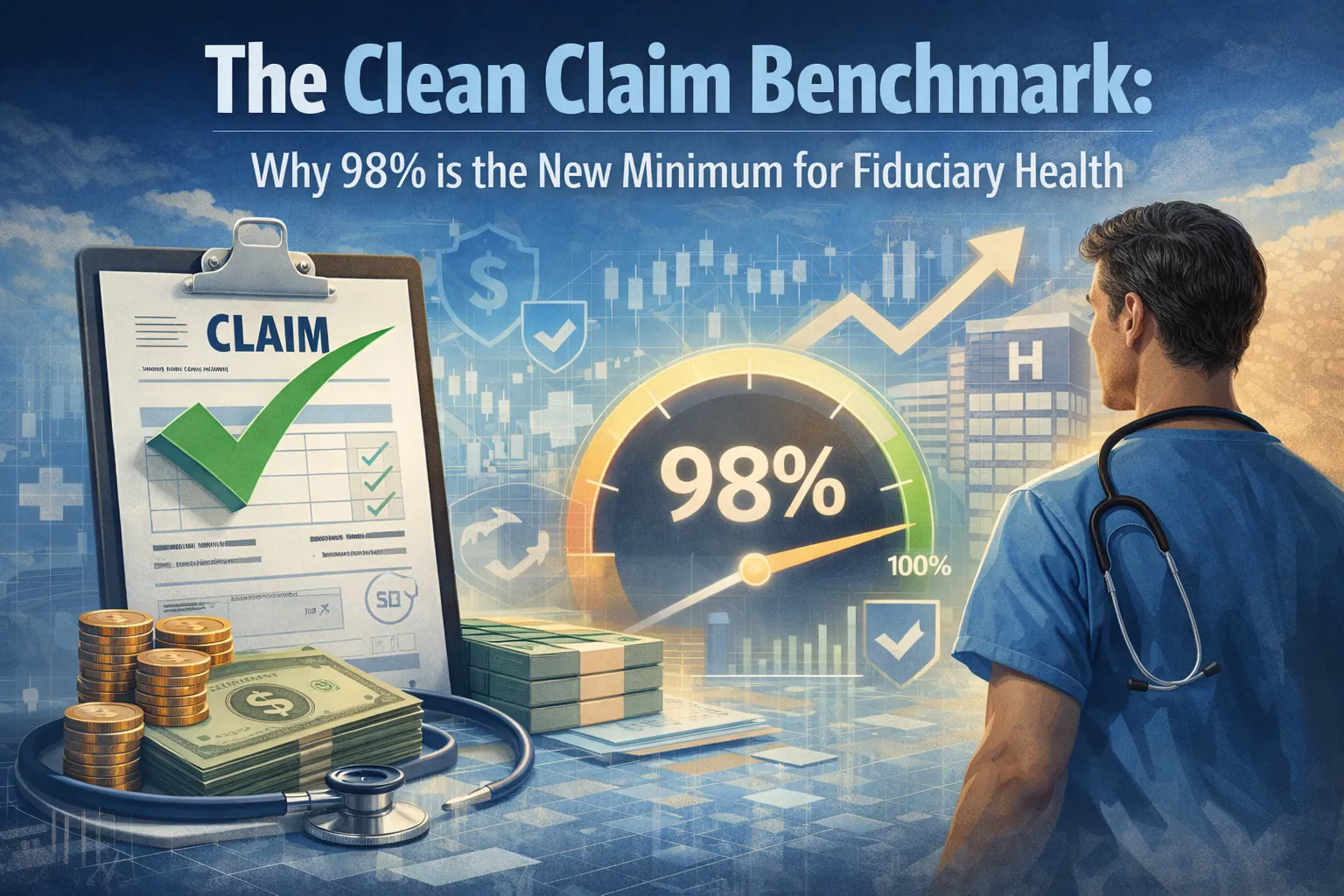
Over the past decade, the United Arab Emirates has emerged as a global leader in healthcare innovation not by chance, but by design. By 2026, the UAE will have successfully transitioned from "digitizing care" to using data as a core strategic engine. With a federal healthcare budget reaching AED 71.5 billion for 2025, the nation is providing a blueprint for how a unified data ecosystem can elevate surgical precision and financial durability (Federal General Budget Annual Report, 2025). A Unified Foundation: The National Data Ecosystem At the heart of this transformation is a unified health data infrastructure that connects patients and providers across the Emirates. Platforms like Riayati serve as the federal "brain," integrating records from Abu Dhabi’s Malaffi and Dubai’s Nabidh. As of late 2025, this ecosystem manages over 3.5 billion clinical records for approximately 9.5 million patients, enabling real-time access to longitudinal medical histories regardless of facility location (Malaffi, 2025). For surgical teams, this interoperability is a game-changer. It eliminates redundant diagnostics and ensures that critical patient data, genomic markers, comorbidities, and prior surgical outcomes are available to the surgeon before they even enter the operating theater. Data-Driven Surgical Precision and AI The UAE is no longer just adopting surgical robotics; it is mastering the data they produce. The local surgical robotics market is projected to reach $292.6 million by 2030, growing at a CAGR of 8.2% (Grand View Research, 2030). However, the real value lies in the predictive analytics layered atop these platforms. According to the Philips Health Trends Research (2025), 77% of UAE residents are confident in AI’s ability to enhance healthcare delivery, while 79% express positive sentiment toward virtual care solutions. This societal trust allows UAE providers to implement predictive models that: Forecast Patient Demand: Optimizing resource allocation in high-acuity surgical wings. Identify High-Risk Individuals: Flagging potential adverse events during the pre-operative phase. Automate Documentation: Supplementing imaging interpretation and reducing treatment variation. The "Financial Handshake": Protecting ROI in 2026 Surgical excellence is incomplete without financial integrity. In an environment where medical inflation in the UAE is projected at 11.5% for 2026, the margin for administrative error has vanished (Associated Alliance, 2025). High-performing UAE facilities are now targeting a Clean Claim Rate (CCR) of 97%–99%. They achieve this through what we call the "Data Handshake": the seamless integration of intraoperative data into the Revenue Cycle Management (RCM) workflow. By automating coding and using AI to flag documentation gaps before claim submission, organizations can scale complex surgical volumes without a linear increase in back-office costs. Operational Elasticity and Workforce Integration Strategic data use also extends to the workforce. Systems like Sheryan (DHA's licensing platform) streamline professional credentialing, ensuring that the right surgical talent is positioned precisely where demand is highest. This shift from administrative drag to strategic action allows clinical leaders to focus on what matters most: patient outcomes and institutional growth. Conclusion: Data as the Ultimate Asset The UAE’s digital health strategy underscores a critical lesson for global healthcare leaders: data is no longer a byproduct of care but it is a strategic asset. By building interoperable systems and aligning digital tools with clinical and financial workflows, the UAE is strengthening surgical excellence at an unprecedented scale. In 2026, strategic foresight is no longer a luxury; it is the prerequisite for a sustainable healthcare mission.
Sources: (Associated Alliance, 2025) (Federal General Budget Annual Report, 2025) (Grand View Research, 2030) (Malaffi, 2025) (Philips Health Trends Research UAE, 2025)