

AI Roadmapping in the UAE: From Pilot Projects to Strategic Infrastructure
AI Roadmapping in the UAE: From Pilot Projects to Strategic Infrastructure
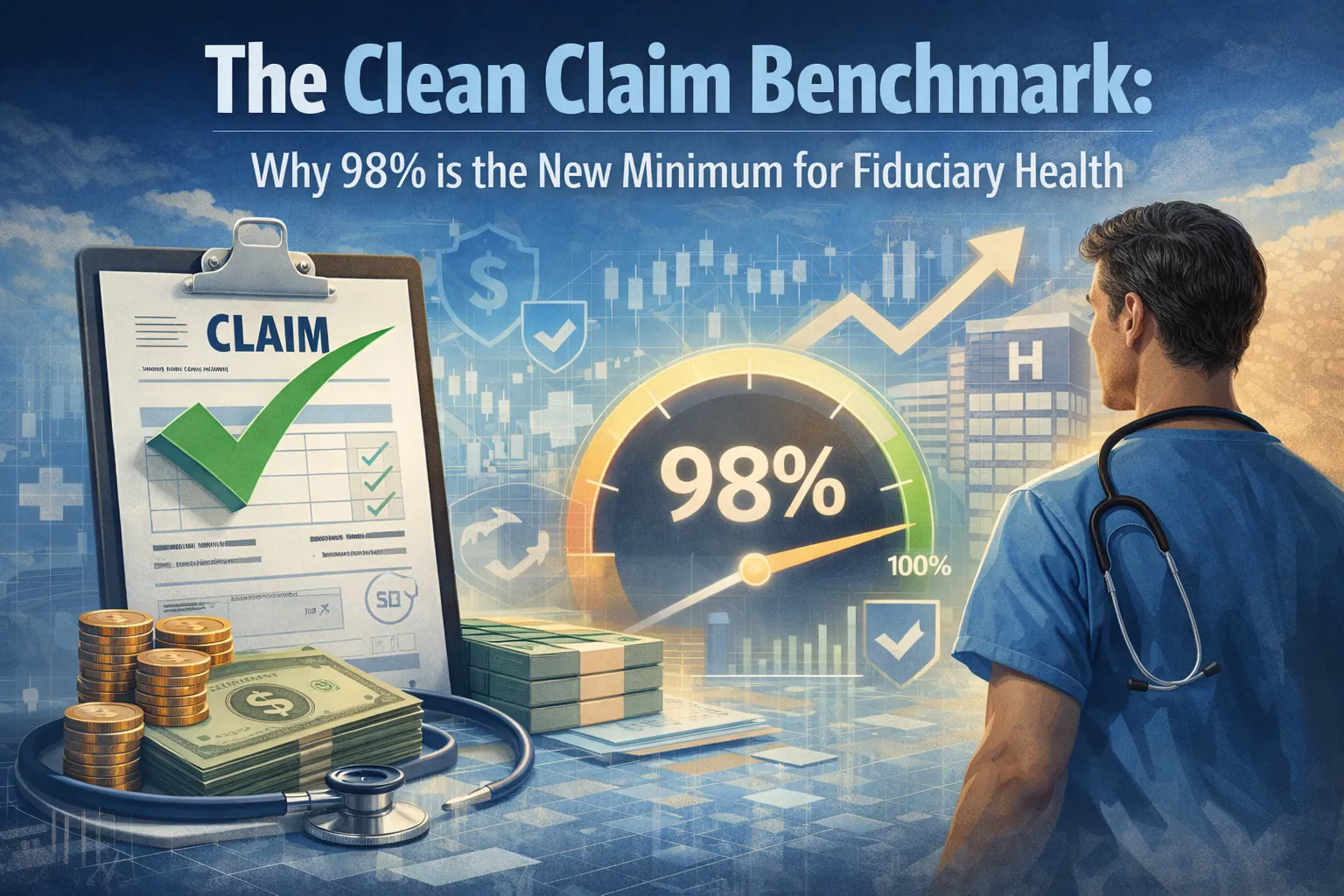
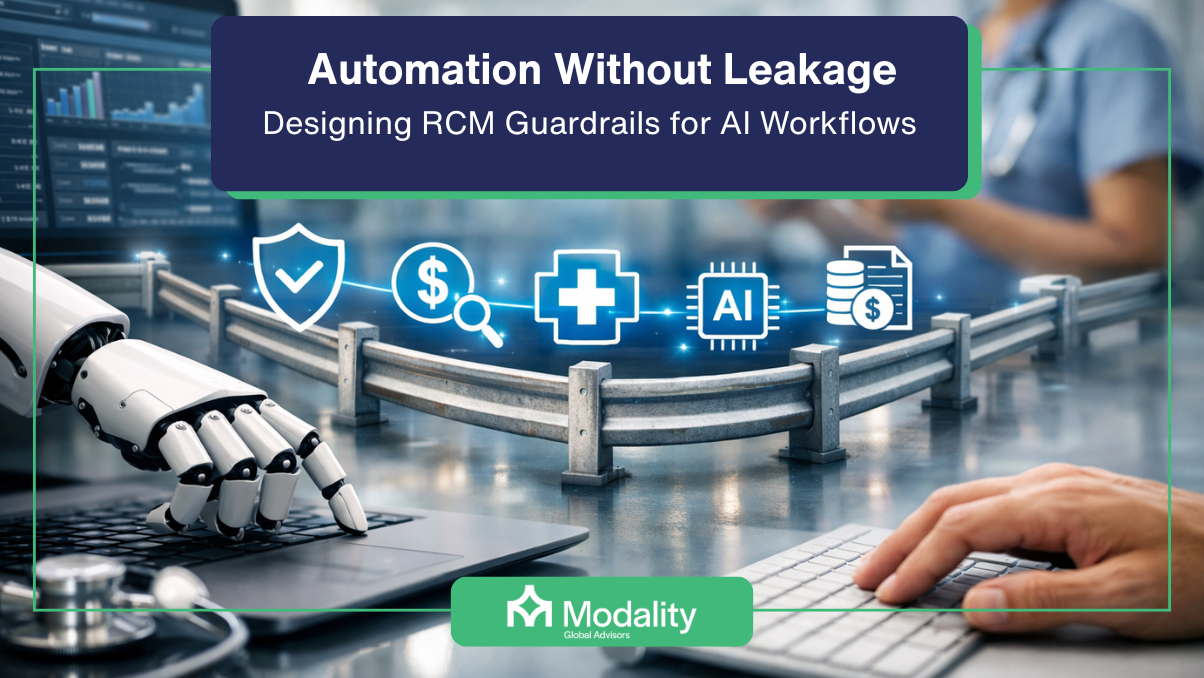
In 2026, the United Arab Emirates successfully transitioned from "digitizing healthcare" to deploying data as a core strategic engine. With a federal healthcare budget reaching AED 71.5 billion (Federal General Budget Annual Report, 2025), the focus for the C-Suite has shifted from launching isolated AI pilots to building a permanent, high-velocity infrastructure. To maintain a competitive Contribution Margin in an era of 11.3% to 11.5% regional medical inflation (WTW Global Medical Trends Survey, 2026; Associated Alliance, 2025), UAE healthcare providers must move beyond the "experimental" phase. True scale now requires an AI roadmap integrated directly into the nation’s unified data ecosystem. The National Foundation: Data Interoperability at Scale The most critical asset in any UAE AI roadmap is the national data ecosystem. Platforms like Riayati now serve as the federal "brain," integrating records from Abu Dhabi’s Malaffi and Dubai’s Nabidh. As of early 2026, this system manages over 3.5 billion clinical records for approximately 9.5 million patients (Malaffi, 2025). For hospital COOs, this connectivity is the prerequisite for AI infrastructure. Strategic roadmapping involves moving away from department-specific AI tools such as isolated radiology scanners toward enterprise-wide models that leverage longitudinal medical histories. By 2030, these AI-powered systems are projected to save the UAE up to $22 billion annually by reducing diagnostic redundancies and automating treatment variations (MedTech World, 2026). The "Financial Handshake": AI in the Revenue Cycle The primary differentiator for successful UAE providers in 2026 is the integration of AI into the Financial Handshake, the junction where clinical documentation meets administrative execution. With rising payer scrutiny and complex reimbursement models, Denial Prevention is no longer a back-office task; it is an infrastructure requirement. High-performing UAE facilities are now utilizing AI-driven autonomous coding and predictive denial mapping to target a Clean Claim Rate (CCR) of 97% to 99% (Modality Global Advisors, 2026). These "Agentic AI" systems do more than just flag errors; they autonomously orchestrate multi-step claims routing and real-time eligibility verification via Riayati. Research indicates that such agents can reduce the administrative burden on staff by up to 30%, effectively regaining one full business day per week for high-value strategic tasks (Salesforce Survey, 2025). Governance and the 2026 Regulatory Landscape Strategic infrastructure requires rigid adherence to the latest regulatory frameworks. The Dubai Health Authority (DHA) and the Department of Health (DoH) Abu Dhabi have introduced rigorous 2026 standards for AI clinical validation and data localization (Dubai Health Authority Health Informatics Standards, 2026). Core Infrastructure Requirements for 2026 Compliance: Data Residency: All patient data must reside within UAE borders or DHA-approved jurisdictions (DHA Compliance Guide, 2026). Clinical Benchmarking: Diagnostic AI systems must demonstrate a minimum 85-90% sensitivity and specificity against human clinician performance to remain operational (mirchandani.ae, 2026). Auditability: Every AI-driven recommendation must be supported by a transparent audit trail, ensuring patient rights to understand automated decision-making processes. Conclusion: The Pivot to Operational Velocity The UAE healthcare market, valued at nearly $22 billion in 2026 (MedTech World, 2026), no longer rewards those who simply "experiment" with AI. The competitive advantage now belongs to providers who have built the underlying infrastructure to support AI-led Operational Elasticity. By aligning AI roadmaps with national interoperability standards and integrating them into the revenue cycle, leaders ensure that their organizations are not just digitizing care they are mastering it. In 2026, strategic foresight is the only prerequisite for a sustainable healthcare mission.